

England Nhs
Add a review FollowOverview
-
Founded Date September 25, 1977
-
Sectors Telecommunications
-
Posted Jobs 0
-
Viewed 665

Company Description
NHS: The Family They Never Had
In the sterile corridors of Birmingham Women’s and Children’s NHS Foundation Trust, a young man named James Stokes carries himself with the measured poise of someone who has found his place. His polished footwear whisper against the floor as he greets colleagues—some by name, others with the universal currency of a “how are you.”
James carries his identification not merely as an employee badge but as a testament of belonging. It hangs against a pressed shirt that gives no indication of the difficult path that preceded his arrival.

What separates James from many of his colleagues is not obvious to the casual observer. His bearing discloses nothing of the fact that he was among the first participants of the NHS Universal Family Programme—an effort crafted intentionally for young people who have experienced life in local authority care.
“I found genuine support within the NHS structure,” James reflects, his voice steady but tinged with emotion. His statement summarizes the heart of a programme that aims to transform how the vast healthcare system views care leavers—those often overlooked young people aged 16-25 who have graduated out of the care system.
The figures tell a troubling story. Care leavers frequently encounter greater psychological challenges, financial instability, accommodation difficulties, and diminished educational achievements compared to their contemporaries. Underlying these clinical numbers are human stories of young people who have navigated a system that, despite good efforts, regularly misses the mark in offering the supportive foundation that molds most young lives.
The NHS Universal Family Programme, established in January 2023 following NHS England’s commitment to the Care Leaver Covenant, signifies a substantial transformation in organizational perspective. At its heart, it acknowledges that the whole state and civil society should function as a “collective parent” for those who haven’t experienced the stability of a traditional family setting.
Ten pioneering healthcare collectives across England have charted the course, developing structures that rethink how the NHS—one of Europe’s largest employers—can extend opportunities to care leavers.
The Programme is thorough in its approach, starting from comprehensive audits of existing procedures, creating management frameworks, and garnering executive backing. It acknowledges that meaningful participation requires more than noble aims—it demands concrete steps.
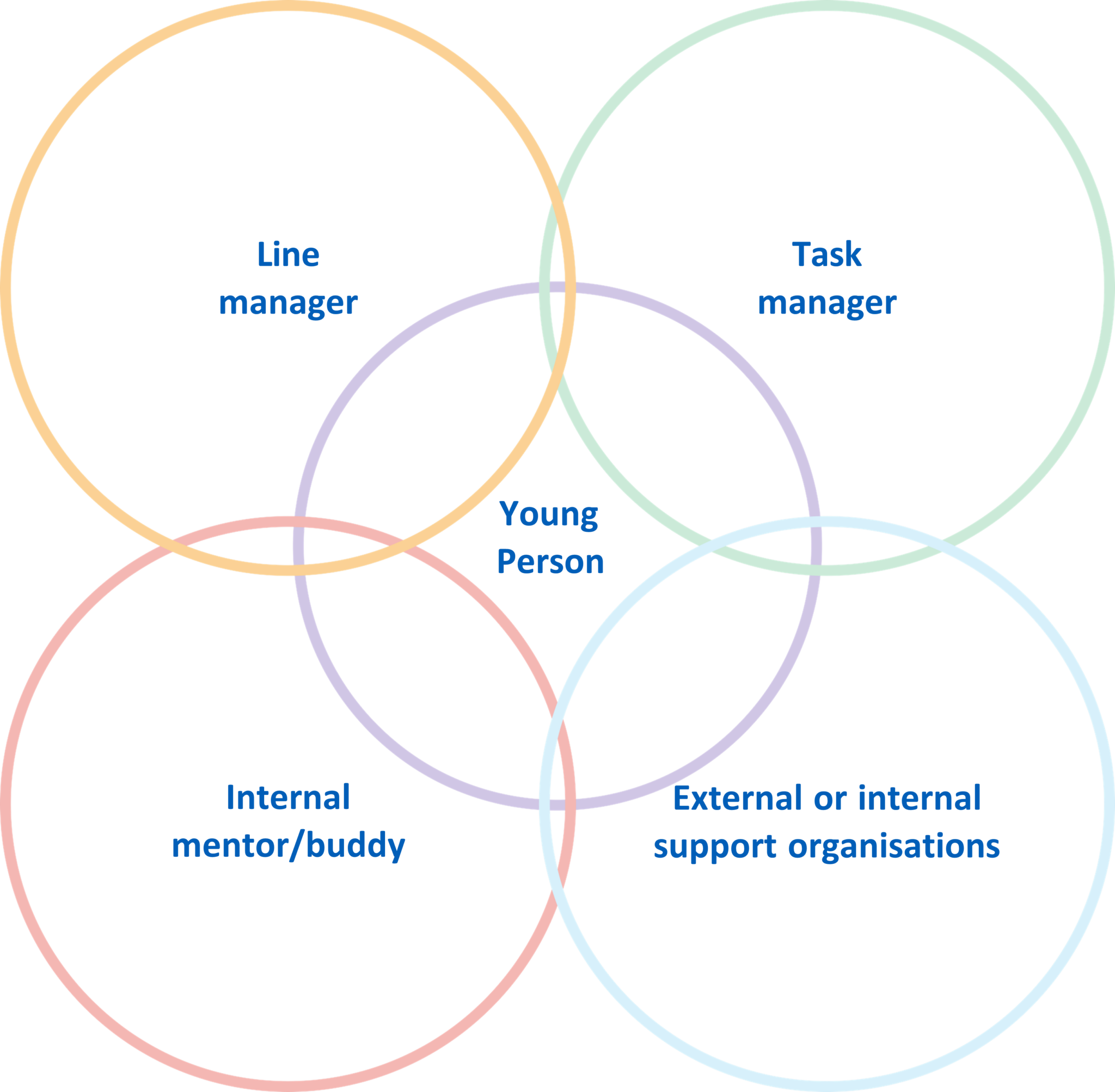
In NHS Birmingham and Solihull ICB, where James started his career, they’ve created a regular internal communication network with representatives who can offer support, advice, and guidance on personal welfare, HR matters, recruitment, and inclusivity efforts.
The conventional NHS recruitment process—rigid and potentially intimidating—has been thoughtfully adapted. Job advertisements now emphasize attitudinal traits rather than extensive qualifications. Application processes have been reconsidered to consider the specific obstacles care leavers might experience—from not having work-related contacts to struggling with internet access.
Maybe most importantly, the Programme recognizes that starting a job can pose particular problems for care leavers who may be managing independent living without the support of family resources. Concerns like commuting fees, identification documents, and bank accounts—taken for granted by many—can become significant barriers.
The beauty of the Programme lies in its thorough planning—from explaining payslip deductions to helping with commuting costs until that crucial first salary payment. Even apparently small matters like break times and professional behavior are carefully explained.
For James, whose NHS journey has “revolutionized” his life, the Programme provided more than work. It gave him a feeling of connection—that intangible quality that grows when someone feels valued not despite their background but because their distinct perspective improves the organization.
“Working for the NHS isn’t just about doctors and nurses,” James notes, his expression revealing the subtle satisfaction of someone who has found his place. “It’s about a family of different jobs and roles, a family of people who truly matter.”
The NHS Universal Family Programme represents more than an job scheme. It functions as a strong assertion that systems can adapt to include those who have known different challenges. In doing so, they not only change personal trajectories but improve their services through the special insights that care leavers contribute.
As James navigates his workplace, his involvement quietly demonstrates that with the right assistance, care leavers can succeed in environments once considered beyond reach. The arm that the NHS has provided through this Programme signifies not charity but acknowledgment of untapped potential and the essential fact that everyone deserves a family that supports their growth.
